Plant-based food is not that simple. Not always. Behind those clean, green labels, many everyday foods still hide animal-derived ingredients that aren’t always obvious at first glance.
From seemingly harmless additives to sneaky processing aids, these hidden ingredients can easily slip into snacks, baked goods, and even pantry staples.
In this guide, we’re uncovering 5 surprising non-vegan ingredients commonly found in plant-based foods – so you can shop smarter, eat confidently, and keep your life truly cruelty-free.
Animal Ingredients Found in Plant-Based Food
Keru App Helps You Choose Smart
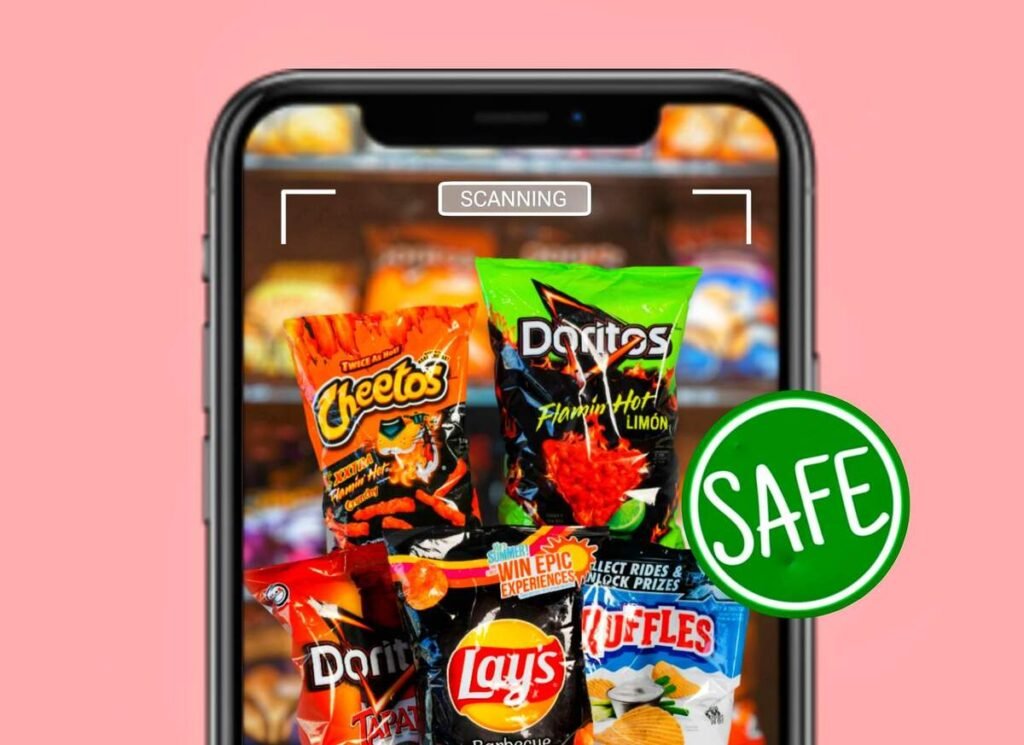
Keru App Tells You The Truth
Keru App tell you what is actually inside the products you use – from Food to Makeup, Skincare to Cleaning Supplies.
Manually reading labels for every product is tiring. Keru App:
- Instantly flag all, including hidden, animal-derived ingredients
- Warn when a term is ambiguous
- Educates about ingredients
Here are 5 sneaky non-vegan ingredients commonly found in plant-based and packaged foods. They often hide under confusing names.
1. Gelatin
Gelatin is a protein derived from animal collagen, typically from the skin, bones, and connective tissue of cows or pigs. It’s commonly used as a gelling agent. Often found in gummies, marshmallows, jellies, yogurt, and even some vitamin capsules to give them a chewy or firm texture.
Because it comes directly from animal body parts, it is neither vegan nor vegetarian. Plant-based alternatives include agar-agar (from seaweed), pectin (from fruits), and carrageenan, which can replace gelatin in most desserts and snacks.

2. Casein
Casein is a milk protein extracted from cow’s milk and dairy products. It’s often added to plant-based cheeses, creamers, and nutritional supplements to improve meltability, texture, and protein content.
Casein is sometimes hidden under names like sodium caseinate. Since it is derived from milk, casein is not suitable for vegans or people with dairy allergies. Alternatives include soy protein, pea protein, almond protein, and potato starch for texture development in dairy-free products.
3. Shellac
Shellac is a natural resin secreted by the female lac bug. It is collected from trees and processed into flakes and liquid coatings. Generally found in products like candies, jelly beans, pharmaceuticals, coffee beans, apples, and cosmetics (especially nail polish).
Because it involves insect exploitation, shellac is not vegan. Common vegan alternatives include carnauba wax (from palm leaves), candelilla wax (from desert shrubs), and synthetic edible coatings.
4. Carmine (E120)
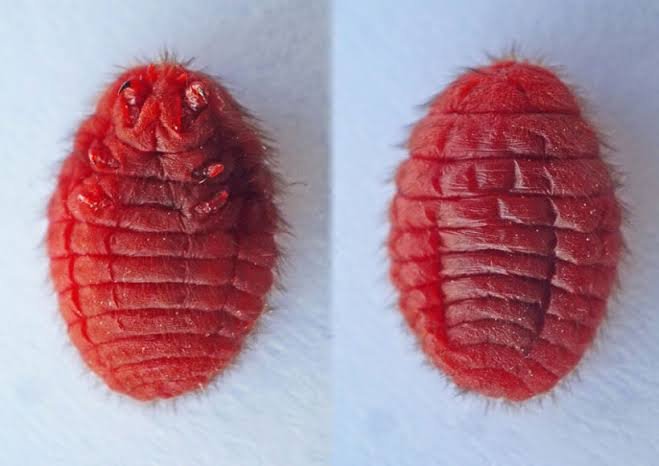
Carmine, also known as cochineal or E120, is a red food dye made from crushing female cochineal insects found on cacti. It’s used to produce a bright pink-red color. Used in yogurts, ice creams, candies, fruit drinks, and cosmetics like lipstick.
Though considered “natural,” it is insect-derived and therefore not vegan. Alternatives include beet juice powder, red grape skin extract, annatto, and synthetic colorants.
5. L-Cysteine
L-Cysteine is an amino acid commonly used as a dough conditioner in commercial bread, pastries, bagels, and processed bakery items to improve texture and extend shelf life.
The most common source is animal-derived keratin. Often from poultry feathers, pig bristles, or sometimes human hair. While synthetic and fermented vegan sources exist, ingredient labels often do not clarify the origin.
Vegan-friendly alternatives include enzymes, ascorbic acid (Vitamin C), and improved baking methods that eliminate the need for dough conditioners.
| Ingredient | Unexpected Source | Found In |
|---|---|---|
| Casein / Caseinate | Milk protein | Non-dairy cheese, creamers |
| Gelatin | Boiled skin, bones, cartilage of pigs/cows | Gummies, marshmallows, capsules, yogurt, some chips |
| Vitamin D3 | Lanolin | Fortified plant milks, cereals, snacks |
| Isinglass | Fish | Beer & wine (filtering agent) |
| L-Cysteine | Duck feathers or pig hair | Breads, bagels, pastries, processed dough |
Tip: Look for Vitamin D2 or vegan D3 (from lichen).
There you have it. These are just 5 ingredients but in reality, there are so many more. Don’t fret, Keru App got you covered. One scan is all it takes… for you to fall in love.