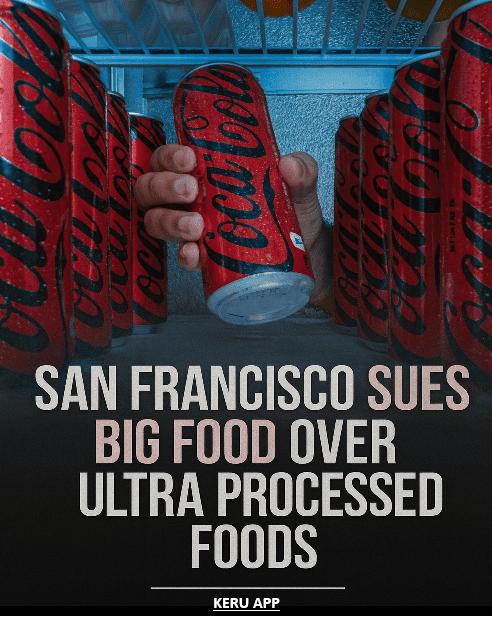
In a move that could reshape the future of the food industry, San Francisco has filed a landmark lawsuit against some of the world’s largest food and beverage companies, accusing them of fueling a public-health crisis through ultra-processed foods.
The case is being compared to early tobacco lawsuits – not because food and cigarettes are the same, but because of the business practices being challenged.
Keru App Helps You Choose Better
Eat Clean rating tells you how clean your food is
Look beyond Calories – Keru App tells you calories too. But look beyond calories. Keru does complete Nutrition Analysis and tells you about the complete food, instead of just a hyped metric.
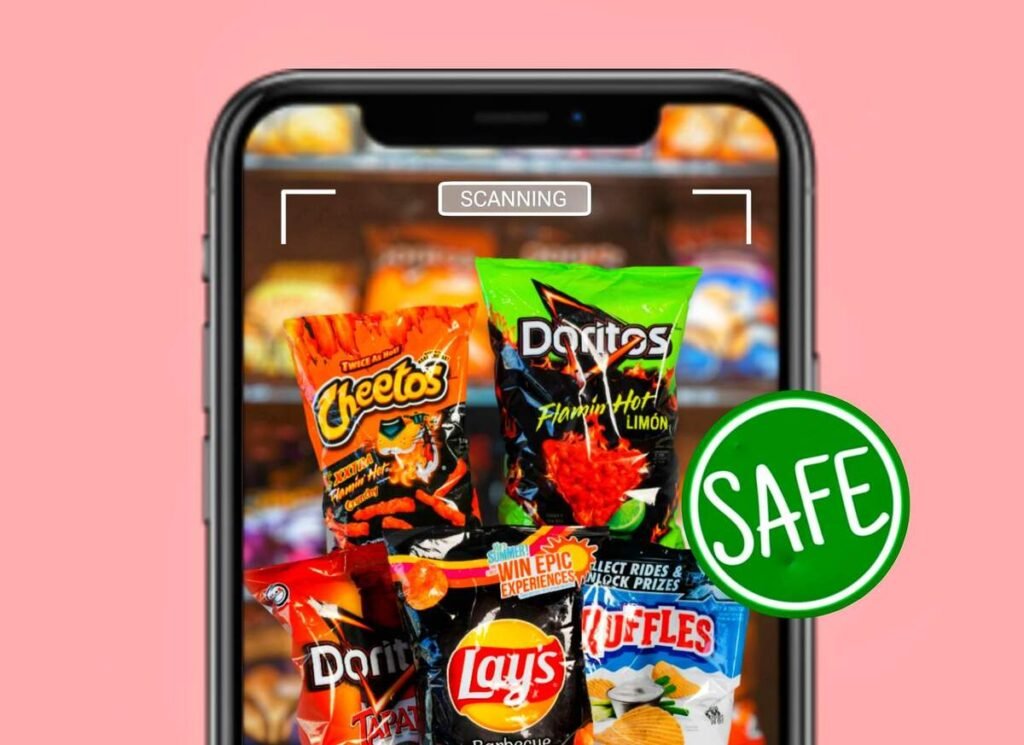
Real-time Nutrition Analysis – Traffic Light system that tells how much sugar, salt, protein and more is in your food.
Keru App Tells You The Truth
Keru App tell you what is actually inside the products you use – from Food to Makeup, Skincare to Cleaning Supplies.
San Francisco Sues Big Food Over Ultra-Processed Foods
What is happening?
On December 2, 2025, the city filed the first-of-its-kind government lawsuit in the U.S. against major food and beverage manufacturers over “ultra-processed foods” (UPFs). Calling it the first, it is filed via attorney David Chiu.
The suit alleges that these companies “engineered a public health crisis,” by designing, marketing, and selling foods that are harmful to human health as per the complaint.
What Are Ultra-Processed Foods?
Ultra-processed foods (UPFs) are industrial formulations made largely from refined ingredients and additives rather than whole foods. These products are typically designed to be:
- Cheap to produce
- Highly palatable
- Long-lasting on shelves
- Easy to overconsume
Examples include sugary drinks, packaged snacks, cookies, candies, breakfast cereals, frozen meals, and many ready-to-eat foods.
They often contain combinations of:
- Added sugars
- Refined starches
- Artificial flavors and colors
- Emulsifiers and preservatives
What San Francisco Is Alleging?
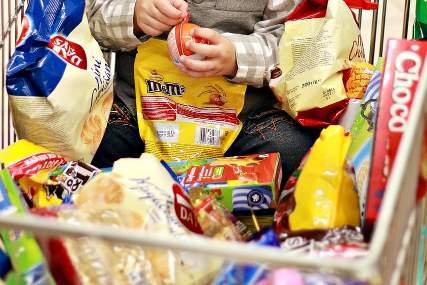
The lawsuit claims that major food corporations knowingly designed and aggressively marketed ultra-processed foods that contribute to serious health problems, including:
- Type 2 diabetes
- Obesity
- Cardiovascular disease
- Fatty liver disease
- Certain cancers
According to the city, these health impacts place an enormous burden on public healthcare systems – costs that taxpayers ultimately absorb.
The legal argument goes beyond “people should eat better.” Instead, it focuses on corporate responsibility, alleging that companies:
- Engineered products to be difficult to stop eating
- Marketed them as normal or even “healthy”
- Failed to adequately warn consumers about long-term risks
What the lawsuit claims?
The complaint describes UPFs as foods that are not merely “unhealthy” but “engineered” to be cheap, palatable, hyper-attractive, and often addictive using chemical additives, flavor enhancers, preservatives, emulsifiers, artificial colors, sweeteners, etc.
The lawsuit argues these companies engaged in “unfair and deceptive” marketing practices, violating state laws on unfair competition and public nuisance.
It claims UPFs contribute to a variety of serious health issues – including type 2 diabetes, fatty liver disease, cancer, cardiovascular disease, and more – and that the health-care burden falls on governments/cities.
The suit aims to halt deceptive marketing, force corrective actions, and seek financial restitution or penalties so that government bodies can recoup healthcare costs associated with illnesses allegedly caused by excessive UPF consumption.

Why It Matters & What’s New?
This is widely described as the first time a U.S. government entity has sued major food and beverage companies over ultra-processed foods.
The case frames consumption of ultra-processed foods not as a matter of individual choices, but corporate responsibility – suggesting the food-industry’s business model could be legally challenged the same way as the tobacco industry was.
Who Is Being Sued?
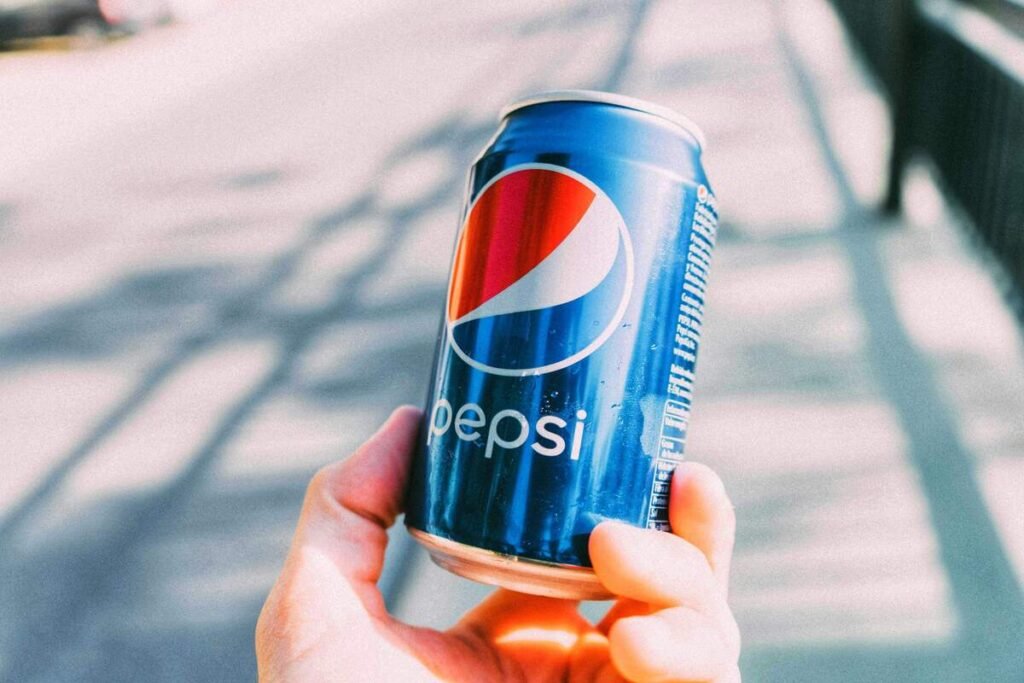
The lawsuit targets several major multinational food and beverage companies – household names responsible for some of the most widely consumed packaged foods in the U.S.
While each company sells a range of products, many of the items under scrutiny are everyday staples found in grocery stores, vending machines, and school cafeterias.
The lawsuit names 10 major companies, including (but not limited to):
- The Coca-Cola Company
- PepsiCo
- Kraft Heinz Company
- Nestlé USA
- Mondelez International
- General Mills
- Kellogg Company (including spin-offs such as Kellanova / WK Kellogg)
- Post Holdings
- Mars Incorporated
- Conagra Brands
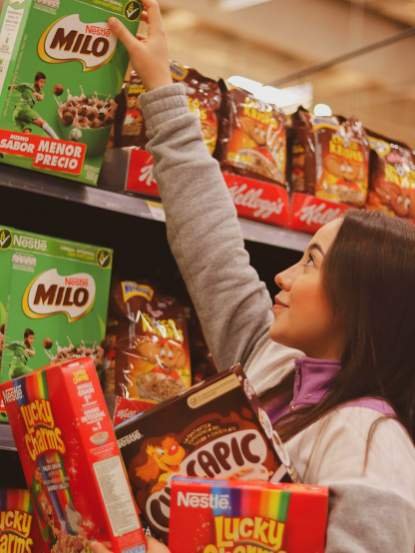
Some of the products mentioned in reporting include cookies (e.g. from brands such as Oreo), candies, chips, sugary drinks, breakfast cereals, frozen meals, and other items widely available at grocery stores.
Why This Lawsuit Is a Big Deal
This case is significant for several reasons:
- It reframes the debate
Instead of blaming individual choice alone, it questions how food systems are built and marketed. - It sets a legal precedent
If successful, other cities or states could bring similar cases, just as they did with tobacco and opioids. - It pressures transparency
Food companies may be forced to change labeling, marketing, or formulations. - It validates growing science
Research increasingly links ultra-processed foods to negative health outcomes independent of calories alone.
What This Means for Consumers
For consumers, this lawsuit highlights an uncomfortable reality:
many products marketed as convenient, affordable, or even “better-for-you” may come with hidden health trade-offs.
It also underscores why reading ingredient lists – not just nutrition labels – matters. Two products with similar calories can have very different impacts depending on how processed they are.
The Bigger Picture
Whether San Francisco wins or loses, the lawsuit sends a clear message: ultra-processed foods are no longer flying under the radar.
Governments, researchers, and consumers are increasingly asking:
- What’s really in our food?
- Why is chronic disease rising alongside convenience?
- And who should be held accountable?
The outcome of this case could influence food policy, corporate practices, and how we think about “normal” eating for years to come.