The Sugar Trick: 56 Names Used to Hide It on Labels
Food companies are smart – they know consumers avoid sugar. So instead of calling it sugar, they scatter sneaky sweeteners across the ingredient list under confusing names and split them up so they don’t appear at the top. That’s why clean eating starts with recognizing sugar in disguise.
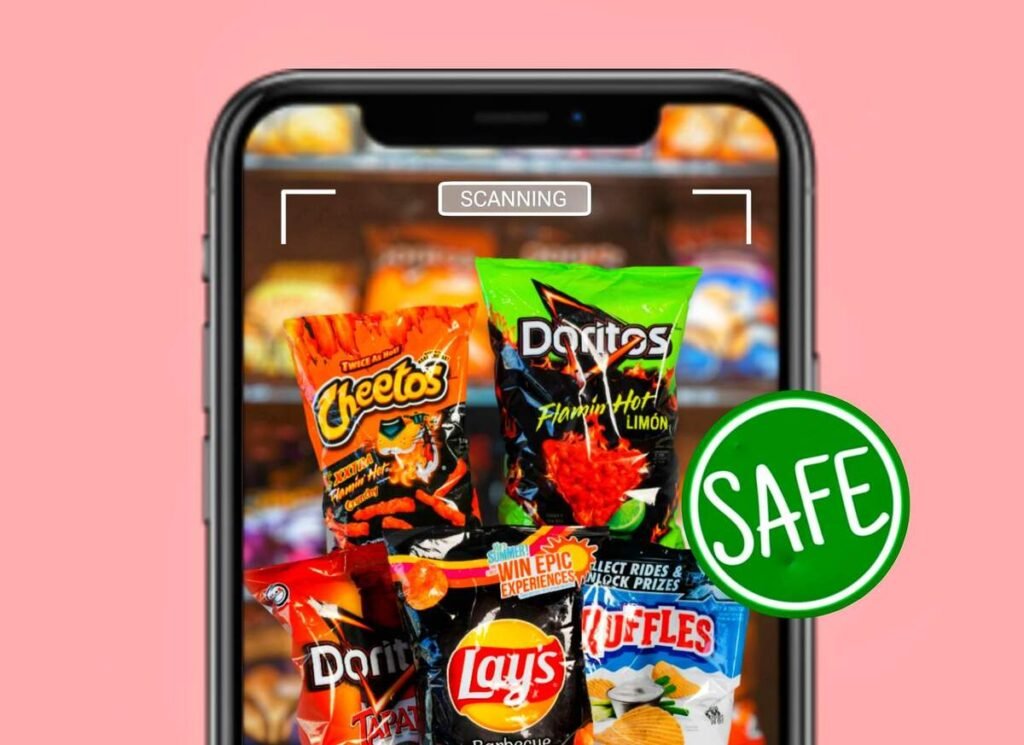
Keru detects these hidden sugars instantly – no decoding or chemical knowledge needed. Just scan the label and shop smarter.
Keru App Tells You The Truth
Keru App tell you what is actually inside the products you use – from Food to Makeup, Skincare to Cleaning Supplies.
✨ Clean Labels → Clean Eating
When you care about health, transparency is everything. But with 56+ names for sugar? The label game gets unfair.
📌 Keru recognizes these ingredients instantly and shows:
✔ Sugar sources detected
✔ How many types in the product
No chemistry background required – just scan and shop smarter.
56 Hidden Sugar Names – To Hide It on Labels
Each one adds sweetness – and often spikes blood sugar more than table sugar.
- Sucrose – Standard table sugar. Quick energy spike, zero nutrition.
- Glucose – Primary blood sugar source, often added to processed foods for fast sweetness.
- Fructose – Fruit sugar – harmless in whole fruit, harmful when isolated and added.
- High-Fructose Corn Syrup (HFCS) – Extremely common in soft drinks and packaged foods. It is linked to metabolic issues.
- Corn Syrup – Cheaper sweetness, keeps foods moist. A red flag in processed snacks.
- Powdered Sugar – Finely ground sugar with additives to prevent clumping. Common in bakery goods.
- Cane Sugar – “Natural” sounding but still refined sugar, often first ingredient in “healthy” snacks.
- Cane Juice / Evaporated Cane Juice – Sounds clean, nutritionally still sugar.
- Beet Sugar – Derived from sugar beets. Chemically same as cane sugar.
- Brown Sugar – White sugar with molasses. Slightly richer taste, same health effect.
- Agave Nectar – Marketed as healthy but very high in fructose. Tough on the liver.
- Coconut Sugar – Lower Glucose Index but still sugar. Keep portions tiny.
- Palm Sugar – Similar to coconut sugar. Minimally processed but still spikes blood sugar.
- Malt Sugar (Maltose) – Quickly digested. Frequent in cereals and sports snacks.
- Barley Malt Syrup – Sticky sweetener added to bread for browning and flavor.
- Maple Syrup – Some minerals but still concentrated sugar. Often added to “natural” products.
- Honey – Antioxidants don’t cancel sugar impact. A common “healthy” disguise.
- Molasses – Strong flavor with some nutrients. Still raises glucose sharply.
- Caramel – Burnt sugar used for color and taste. Adds hidden sugar to drinks and candies.
- Treacle – A UK variant of molasses. Sugary syrup in baked goods.
- Dextrose – Corn-derived form of glucose. Frequently added to chips and meats.
- Maltodextrin – Ultra-processed starch with a higher glycemic impact than sugar.
- Rice Syrup / Brown Rice Syrup – Used in health bars. Still converts to glucose quickly.
- Corn Starch Syrup – A cheaper sibling of corn syrup, same sugar load.
- Invert Sugar – Liquid sugar that improves texture in candies and desserts.
- Fruit Juice Concentrates – Sounds healthy but basically sugar extracted from fruit.
- Grape Sugar – Just glucose with a fancy name. Fast digestion = crash later.
- Date Syrup / Date Sugar – Better fiber retention in sugar form, but still a sweetener.
- Golden Syrup – Refined sugar syrup – common in baking, no better than white sugar.
- Sorghum Syrup – Old-fashioned sweetener that still spikes glucose like sugar.
- Lactose – Milk sugar – appears in unexpected savory foods, too.
- Galactose – Rare naturally but used in processed foods as added sugar.
- Malt Extract – Boosts browning and sweetness in bread and cereals.
- Maltose Syrup – High glycemic index – hidden in many Asian snacks.
- Isomaltose – Another sugar compound used for sweetness and texture.
- Hydrolyzed Starches – Broken into sugars during processing – raises blood sugar rapidly.
- Diastatic Malt – Adds sweetness to bread – helps rise but still sugar.
- Ethyl Maltol – Enhances sweetness so products need less sugar – but still triggers cravings.
- Panela – Unrefined cane sugar – “traditional” but still sugar.
- Rapadura – Similar to panela – whole cane, not whole health.
- Muscovado Sugar – Dark, sticky sugar marketed as artisanal – high molasses, high sugar.
- Confectioner’s Glaze – Shiny candy coating derived from sugar syrups.
- Turbinado Sugar – Less processed sugar crystals, still raises glucose.
- Caster Sugar – Fine baking sugar – dissolves faster, hits bloodstream faster.
- Glucose Solids – Powdered glucose. Hidden in powdered drinks and snacks.
- HFCS 42 / HFCS 55 – Just different HFCS ratios, both linked to fatty liver.
- Refiner’s Syrup – A sugar industry byproduct used in inexpensive foods.
- Organic Sugar – Organic doesn’t mean low-impact – it’s still plain sugar.
- Sweetened Condensed Milk – Milk and sugar concentrate – extremely high in sugar.
- Agave Inulin – Marketed as prebiotic – processed form adds sweetness with calories.
- Crystalline Fructose – Highly processed – stronger sweetness means higher liver load.
- Fruit Purées Added for Sweetness – Used to avoid “sugar” on the label – still sugar-heavy.
- Pear / Apple Juice Sweetener – Popular in kids’ snacks – disguised form of added sugar.
- Syrup Solids – Dehydrated syrups – added to dry mixes and cereals.
- Dextran – Used for texture in foods – partially acts as sugar.
- Sorbitol Malt Syrup – Sugar-alcohol blend – may cause digestive distress, not diet-friendly.

1 thought on “The Sugar Trick: 56 Hidden Sugar Names on Labels”