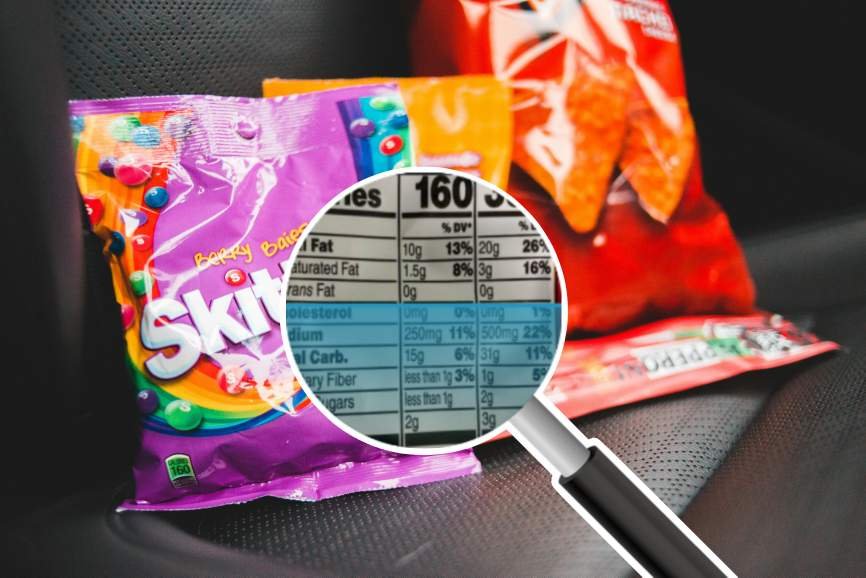
Because real confidence comes from knowing what’s inside your food – no guesswork.
When you’re trying to eat clean, the front of the package isn’t where the truth lives… the real story is on that little white label at the back. Here are 7 smart label-reading tips to help you make healthier choices every time you shop.
A Smarter Way to Read Labels? Meet Keru App 👀
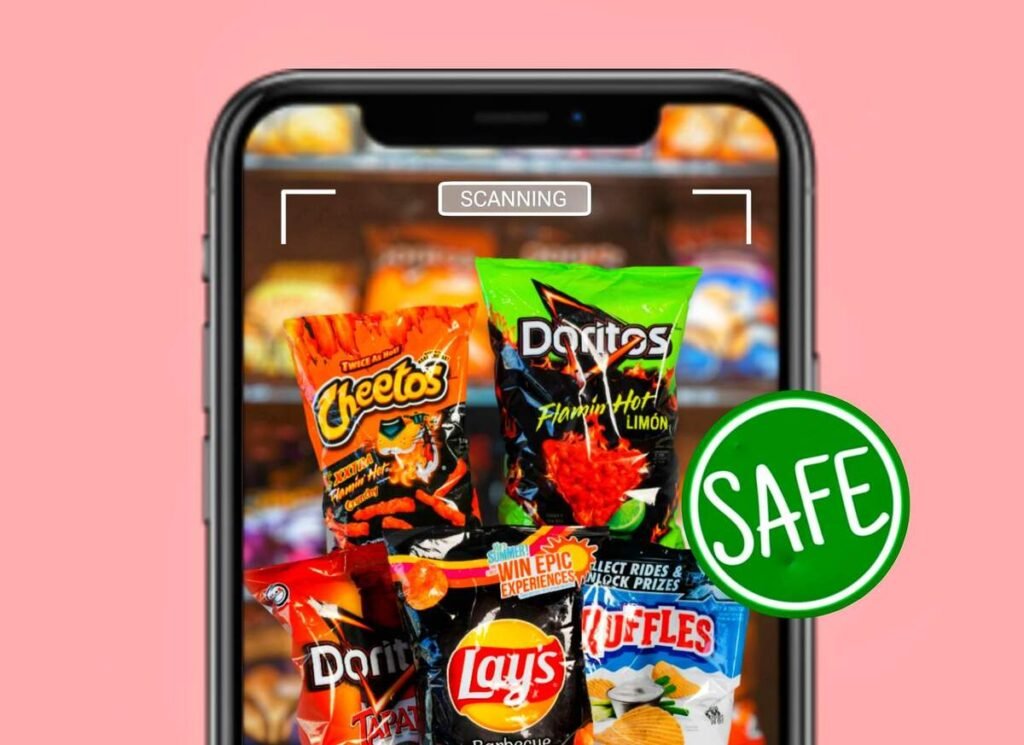
Keru App Tells You The Truth
Keru App tell you what is actually inside the products you use – from Food to Makeup, Skincare to Cleaning Supplies.
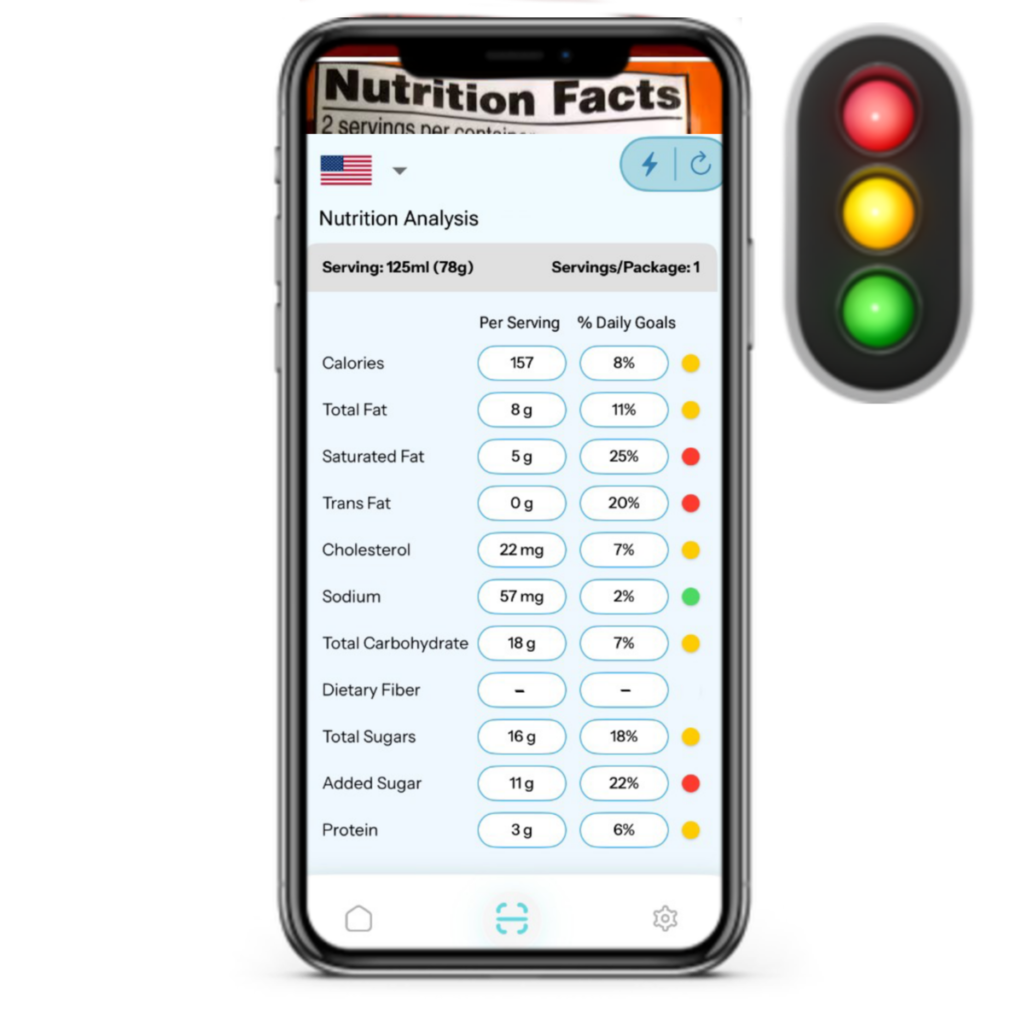
✨ Automatically flags:
- Calories
- Added and Total Sugar
- Carb, Fat and more
✨ Provides simple traffic-light ratings for nutrients
✨ Ingredient breakdown – What each additive is and why it’s used
So you can spend less time analyzing labels… and more time enjoying food that makes you feel good.
Clean Eating = Empowered Eating 💪
JOIN 700+ PEOPLE ON THE WAITLIST!
7 Nutrition Label Tips For Smart Shoppers
1. Be Real About Portions
The serving size listed is often wishful thinking.
Example: A bag of Doritos says one serving is 12 chips… be honest – you’re eating the whole bag.
So don’t analyze the numbers per serving if that’s not how you’ll actually eat the food.
Look at per container data for a realistic picture of calories, sodium, and fats you’re really consuming.
2. Added Sugar – The New Line You Must Check
The FDA added “Added Sugars” to nutrition labels so people can see how much sugar wasn’t originally in the food.
These are sugars manufacturers add during processing. Sugar can have many names, here is a list of 56 Hidden Sugar Names in Food:
- High-fructose corn syrup
- Cane sugar
- Malt syrups
- Artificial sweetener blends
High added sugar spikes blood glucose, increases cravings, and drives weight gain.
Goal: Keep added sugars as low as possible – especially in everyday foods.
3. Protein – The Clean Fuel
Protein builds and repairs muscles, helps keep you full, and stabilizes hunger.
If a product is marketed as “healthy,” but offers only 1–2g protein, you’re paying for hype – Not Nutrition.
Look for solid sources:
- Beans, lentils, whole grains
- Nuts and seeds
- Soy and plant proteins
Higher protein = better satiety and better value for your calories.
4. Total Carbs – Not the Enemy, Just Needs Context
Carbs give energy – but not all carbs are equal.
Check:
- Total Carbohydrate
- Dietary Fiber (higher is better)
- Added Sugars (lower is better)
If carbs are high and fiber is low, expect a quick sugar spike followed by a crash.
Choose carbs that come with nutrients, like whole grains, vegetables, and legumes.
5. Sodium – The Silent Sneak in Packaged Food
Most people ignore sodium – until blood pressure becomes an issue. Processed foods pack way more than we realize:
- Chips
- Sauces
- Bread
- Soups
High sodium makes you retain water and puts stress on the heart. Aim for moderate sodium, especially in foods you eat daily.
💡 Do You Know?
The FDA allows up to 20% error in listed calories on packaging.
That means your “100-calorie snack” could legally be 120 calories. Another reason to focus on nutrition quality, not just calorie math.
6. Calories – Not Everything, But Still Something
Calories measure energy. Some “healthy-looking” snacks pack energy your body doesn’t need – especially drinks and packaged foods.
Compare calories to:
- Portion you’ll realistically eat.
- How long it’ll keep you full
If something is low in nutrients but high in calories – that’s a pass.
7. Cholesterol – Still Matters
Even though cholesterol myths come and go, the science still stands: Too much dietary cholesterol can raise LDL (“bad”) cholesterol in some people.
If you have family history of heart issues or high cholesterol – always monitor this number, especially with animal-based products.
With these 7 tips, you’re already a smart shopper. Become a smarter shopper by using Keru App that does all Nutritional Analyzing for you in second. Start scanning with Keru App.