On April 22, 2025, the U.S. Department of Health and Human Services (HHS) and the FDA announced a major initiative to phase out petroleum‑based synthetic dyes from the U.S. food supply.
U.S. Phases Out Synthetic Food Dyes
Keru App Helps You Choose Smart
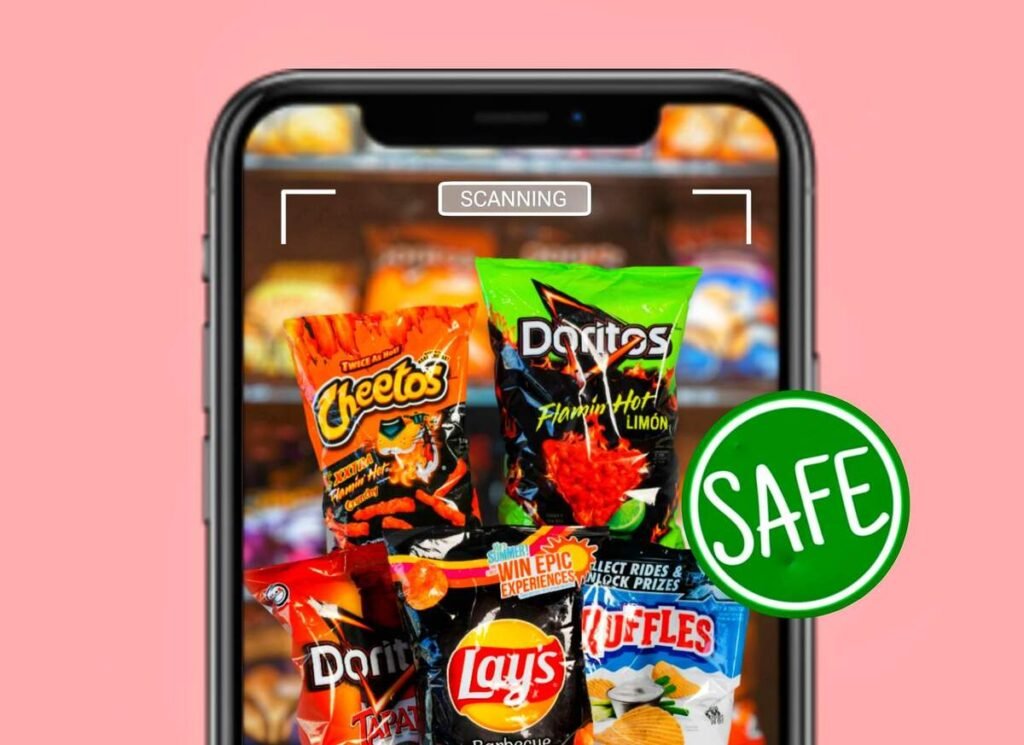
Keru App Tells You The Truth
Keru App tell you what is actually inside the products you use – from Food to Makeup, Skincare to Cleaning Supplies.
- Displays all additives, preservatives, artificial colors, artificial sweeteners and more.
- Easy 10 Point Rating System tells you wwhere the food stands.
- Nutrition Analysis – Go Beyond Calories with Keru. Added Sugar, Trans Fat, Salt and more.
Rather than imposing an immediate regulatory ban, the agencies called for a voluntary, industry‑wide transition: food and beverage makers are being asked to remove synthetic dyes and replace them with naturally derived alternatives.
Slated for regulatory revocation in the coming months.
- Citrus Red No. 2
- Orange B
Meanwhile, six widely used petroleum‑based synthetic dyes are being asked to be removed voluntarily by the end of 2026.
- FD&C Red No. 40
- FD&C Yellow No. 5
- FD&C Yellow No. 6
- FD&C Blue No. 1
- FD&C Blue No. 2
- FD&C Green No. 3
In parallel, FDA has started approving naturally derived color additives, such as algae-based blue, flower‑petal colors, and other non‑petroleum alternatives, to give food producers viable substitutes.
Officials cited concerns about links between synthetic dyes and potential health risks – including behavioral issues (e.g. hyperactivity / ADHD), obesity, diabetes, and other long-term effects, especially for children.
Who’s onboard: Food companies and retailers committing to phase‑out
Major U.S. food makers and retailers have publicly committed to dropping synthetic dyes – often with multi‑year transition plans.
Nestle USA aims to eliminate synthetic food colors from its U.S. products by mid-2026.
Conagra Brands plans to remove synthetic dyes from remaining products by 2026–2027.

Kraft Heinz says it will stop launching new U.S. products with synthetic dyes and eliminate dyes from existing products by end-2027.
Retailer Walmart has committed to removing synthetic dyes (and ~30 other additives) from all its private-label foods by January 2027.
These steps are being taken under pressure from regulators, changing consumer demand for cleaner labels, and increased scrutiny on additives.
Are these dyes already banned in Europe?
The regulatory status of synthetic dyes differs significantly across regions.
For example, three of the dyes targeted in the U.S. phase‑out – Citrus Red No. 2, Orange B, and FD&C Green No. 3 are not permitted under the European regulatory framework for food coloring.
Other synthetic dyes – such as FD&C Red 40 (known as E129 in the EU), FD&C Yellow 5 (E102), Yellow 6 (E110), Blue 1 (E133), Blue 2 (E132) – remain permitted under EU regulations.
| FD&C / Dye Name | US Phase-Out Status | Allowed in EU? (E-number / Status) | Common Natural Alternatives |
|---|---|---|---|
| Citrus Red No. 2 | Regulatory revocation planned 2025 | Not permitted | Annatto, paprika extract |
| Orange B | Regulatory revocation planned 2025 | Not permitted | Annatto, turmeric, carrot extract |
| FD&C Red No. 40 | Voluntary phase-out requested by 2026 | E129 – Permitted with labeling | Beet juice, hibiscus, paprika extract |
| FD&C Yellow No. 5 | Voluntary phase-out requested by 2026 | E102 – Permitted with labeling | Turmeric, saffron, annatto |
| FD&C Yellow No. 6 | Voluntary phase-out requested by 2026 | E110 – Permitted with labeling | Annatto, turmeric, carrot extract |
| FD&C Blue No. 1 | Voluntary phase-out requested by 2026 | E133 – Permitted with labeling | Spirulina, butterfly pea flower |
| FD&C Blue No. 2 | Voluntary phase-out requested by 2026 | E132 – Permitted with labeling | Spirulina, anthocyanins (purple cabbage) |
| FD&C Green No. 3 | Voluntary phase-out requested by 2026 | Not permitted | Spirulina + turmeric mix, chlorophyll extract |
What alternatives are being used?
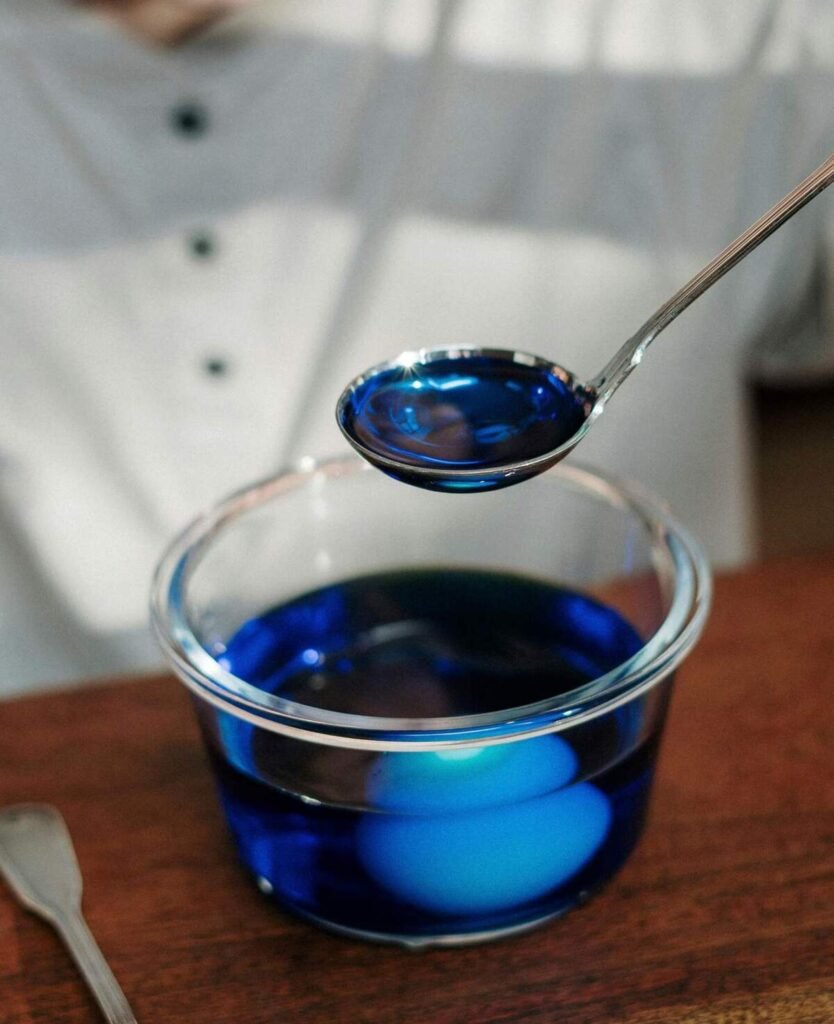
As part of the phase‑out initiative, FDA has approved several naturally derived color additives. For example, a blue pigment derived from algae, flower‑petal based dyes, and other non‑petroleum alternatives.
Food makers are also considering plant-based color sources such as beet juice, spirulina, turmeric, carrot, and other botanical extracts – a shift that may allow colourful products to remain visually appealing while aligning with consumers’ demand for cleaner labels.
What this means for consumers, regulation, and the future of food coloring?
The U.S. approach is voluntary, not regulatory – meaning compliance depends on the good faith efforts of food companies.
If major producers and retailers follow through (as they now commit), many commonly consumed processed foods – from candies and cereals to snacks and beverages – may soon be reformulated without synthetic dyes.
For consumers who care about “clean labels,” natural and plant-based dyes will likely become far more common.
The shift highlights a broader regulatory and cultural change: growing recognition of potential health risks from long‑standing, petroleum‑derived additives, and increased demand for ingredient transparency and safer food colorants.
That said – synthetic dyes are not universally banned globally; some remain approved in other regions (like the EU), though regulations differ.

1 thought on “U.S. Phases Out Synthetic Food Dyes: What’s Happening and Why”